incarcerated voices.
national stages.
narrative as power.
The people who live inside the carceral system carry knowledge the public rarely gets to see. The Bridge is L2J's national narrative change initiative, supporting incarcerated writers, journalists, artists, and filmmakers to tell their own stories on the largest possible stages in an effort to humanize our incarcerated communities.

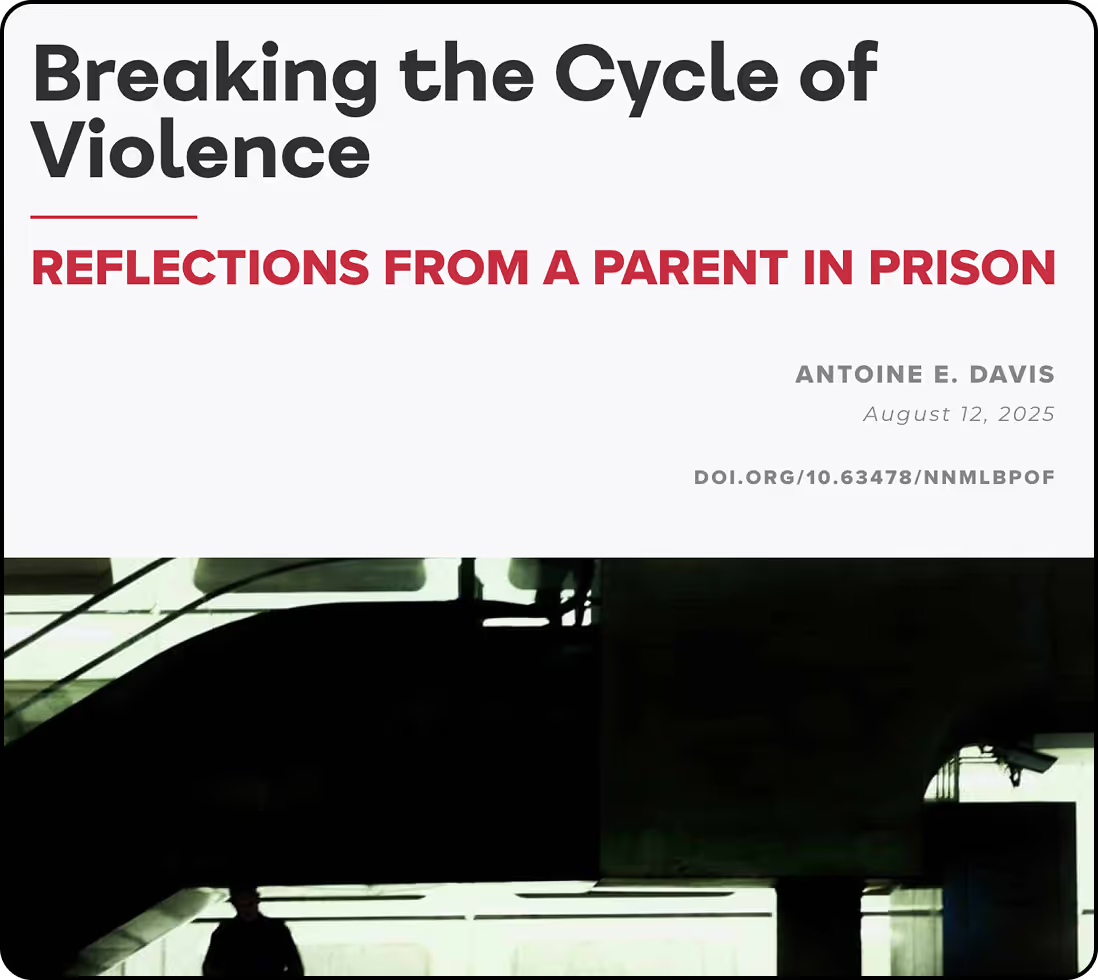
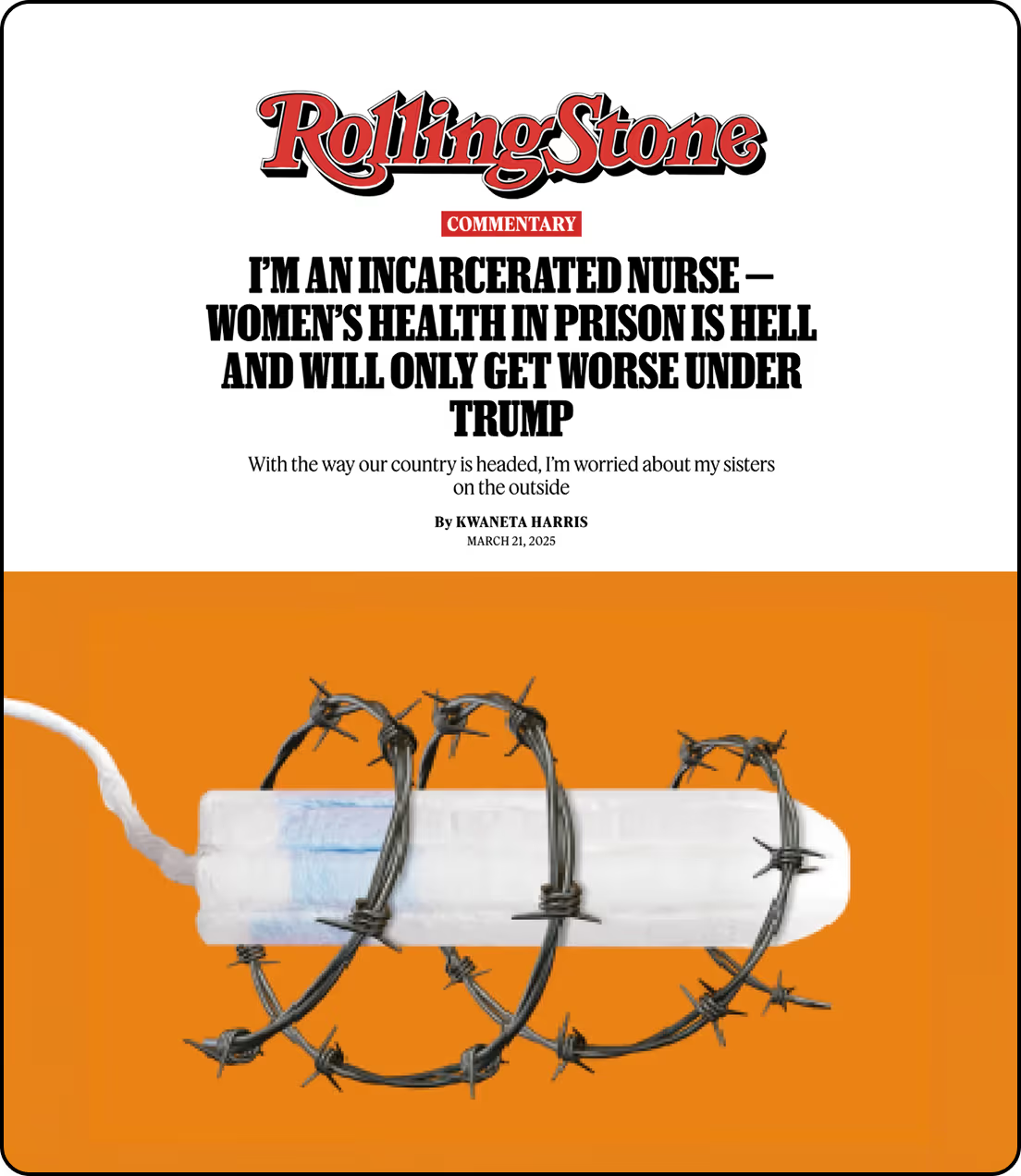
Their essays appear in the New York Times, Washington Post, The Guardian and many more. Their voices air on radio and podcasts nationwide.

The Bridge is designed to bring incarcerated creators into the mainstream through published writings, documentaries, podcasts, radio, and art in service of something larger: changing the narratives that hold unjust systems in place while developing impacted creators to tell their stories.
We understand that the dehumanization embedded in how incarcerated people are portrayed in public life is not separate from the policy failures we fight that work to demonize and ostracize them. It is the foundation those injustices are built on — and The Bridge exists to dismantle them, one story at a time.

When incarcerated people are seen as full human beings, as writers, journalists, thinkers, and artists, the policy arguments we make land differently. The coalitions we build hold differently.
Storytelling is the transformation

explore The bridge

Click to navigate straight to a section, or scroll to explore.
SCROLL >

WRITERS DEVeLOPMENT PROGRAM

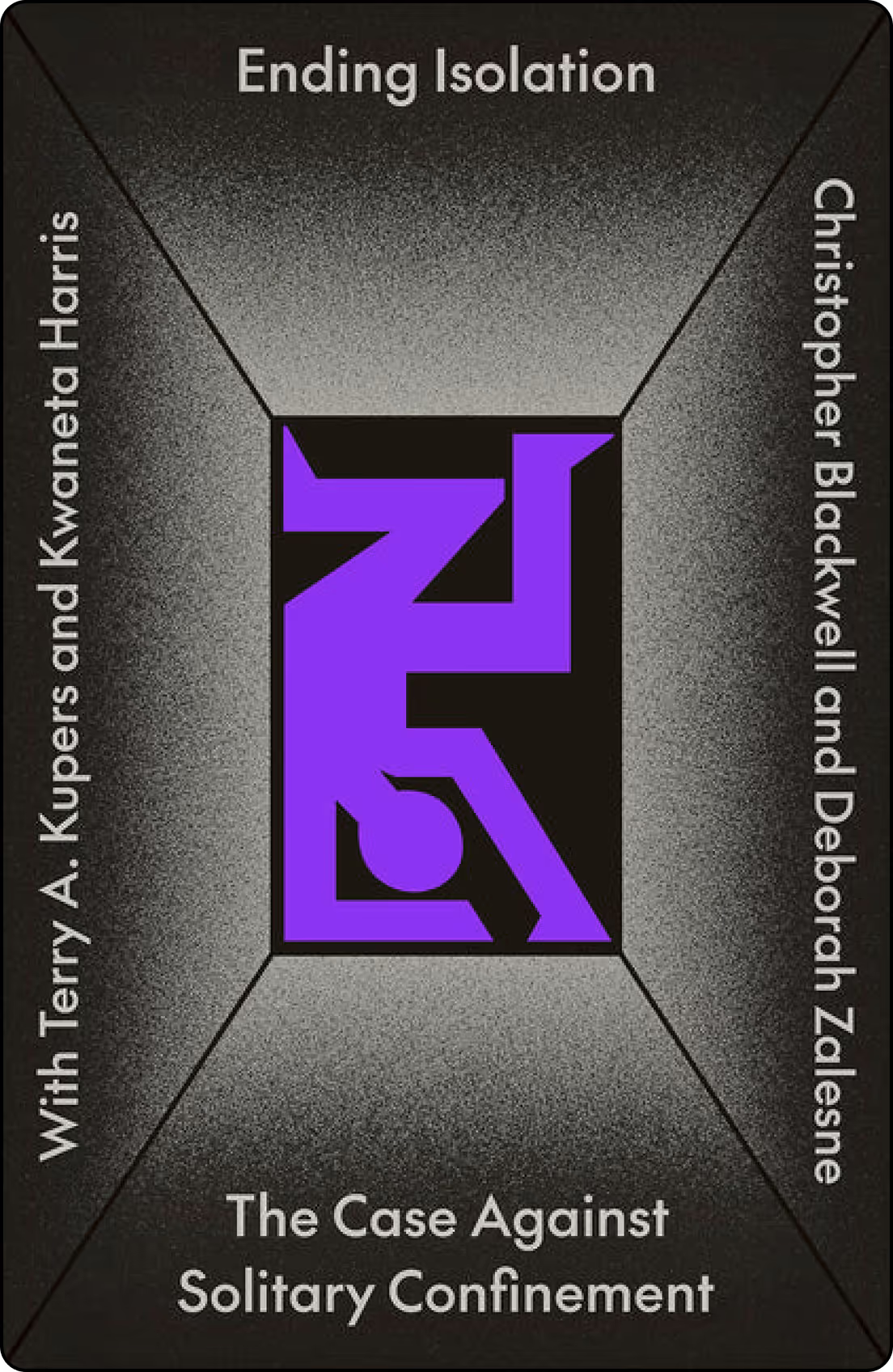
The Writers Development Program is where incarcerated writers find their voice and their audience. Led from the inside by incarcerated journalists Christopher Blackwell, Antoine E. Davis, and Deborah Zalesne on the outside, the program supports incarcerated writers across the country to craft and publish essays on daily life inside: solitude, family, illness, identity, parenting, and the conditions of confinement.
PROGRAM LEADS
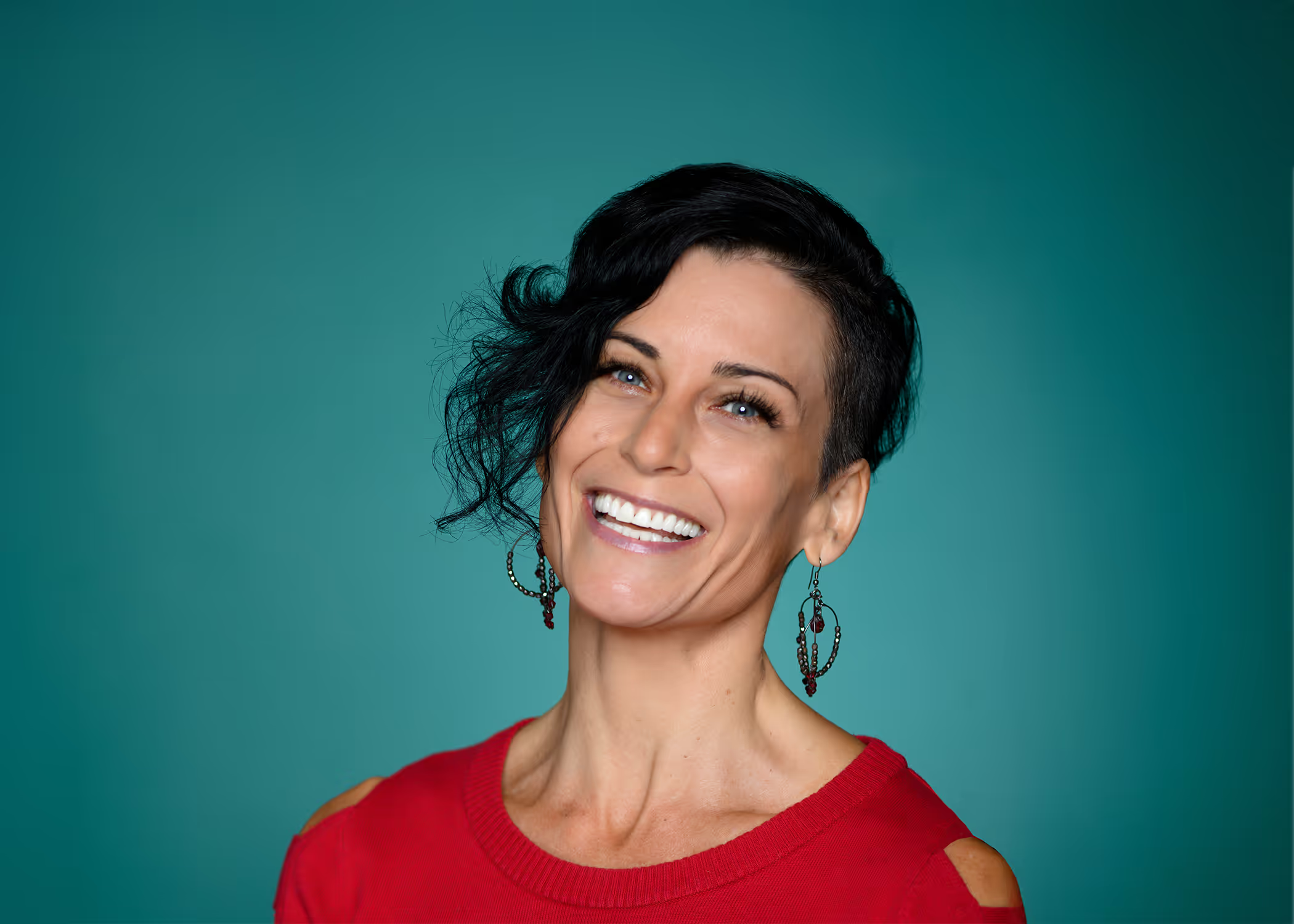
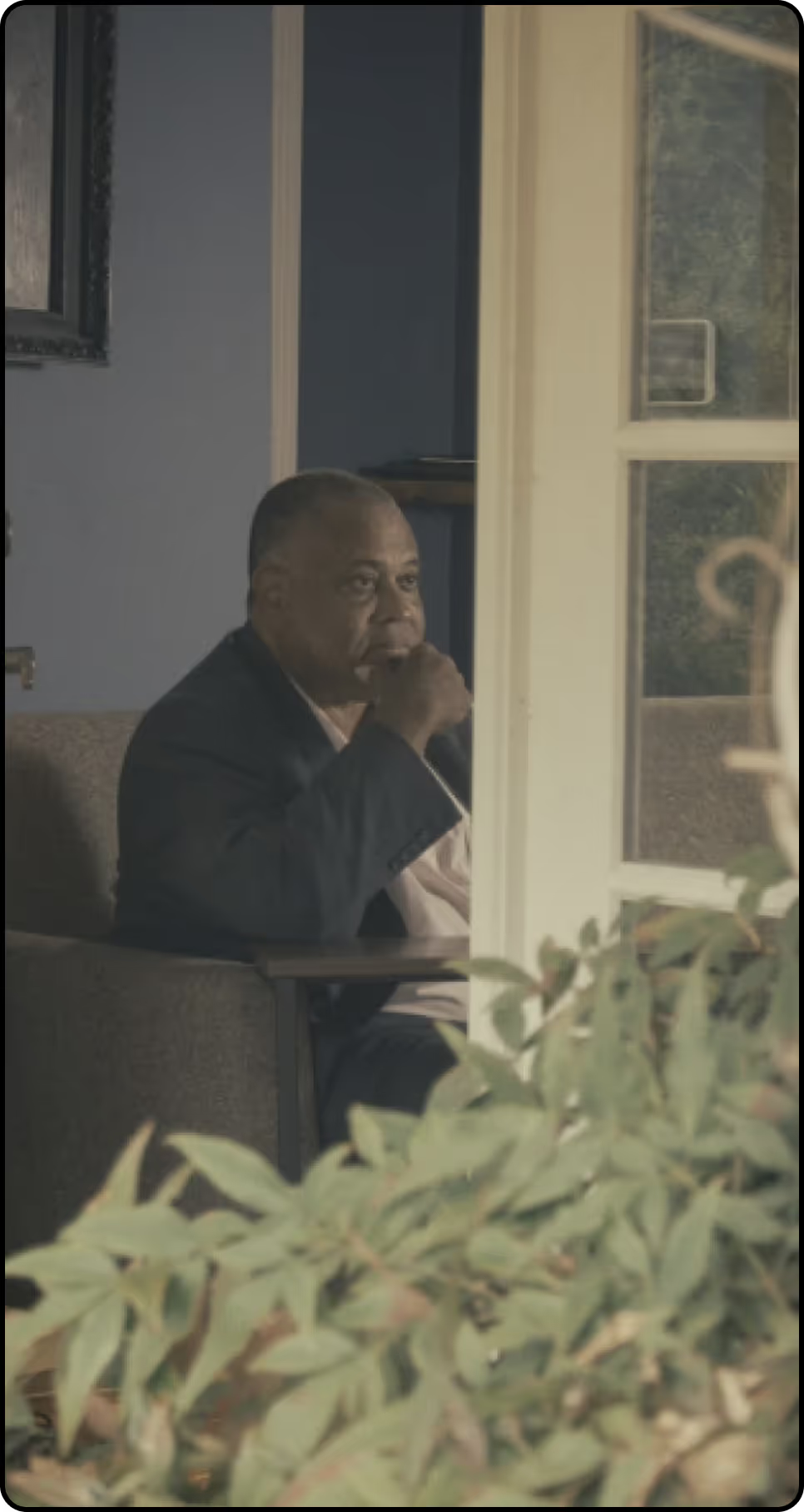
Christopher Blackwell
+
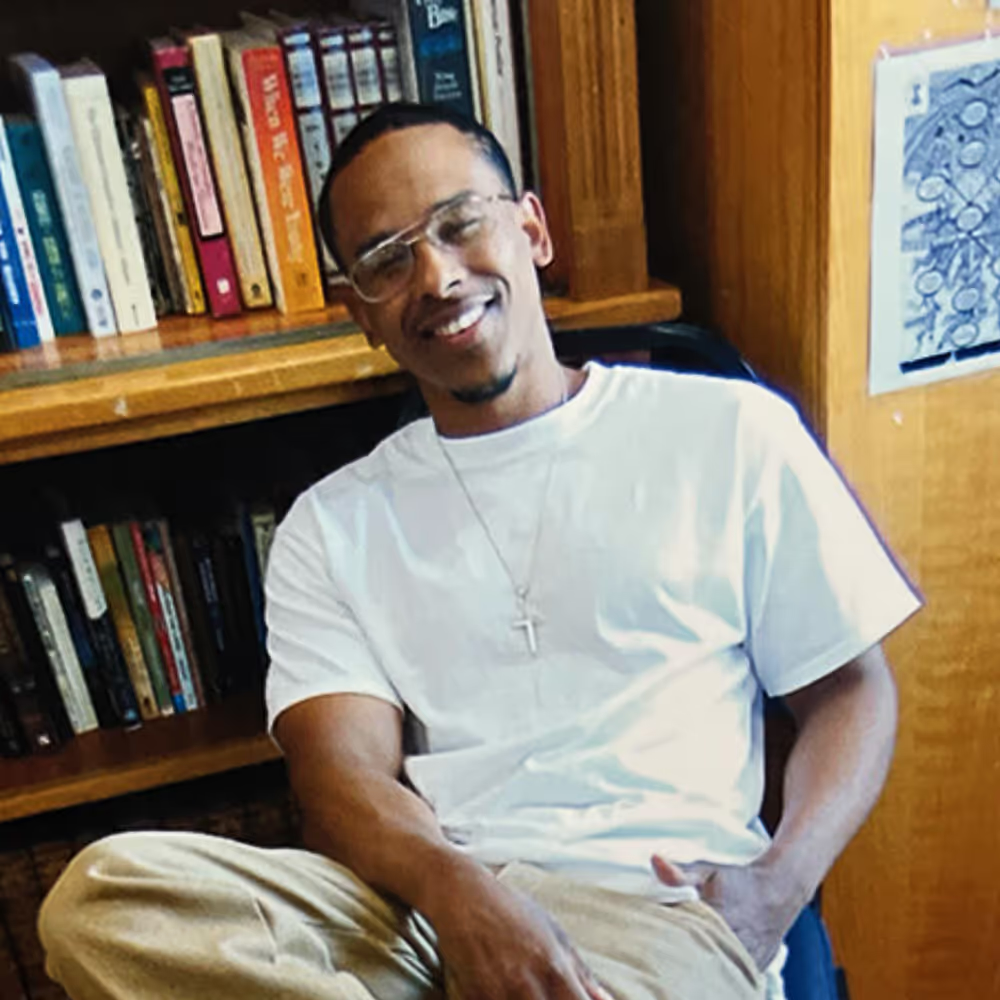
Antoine Davis
+
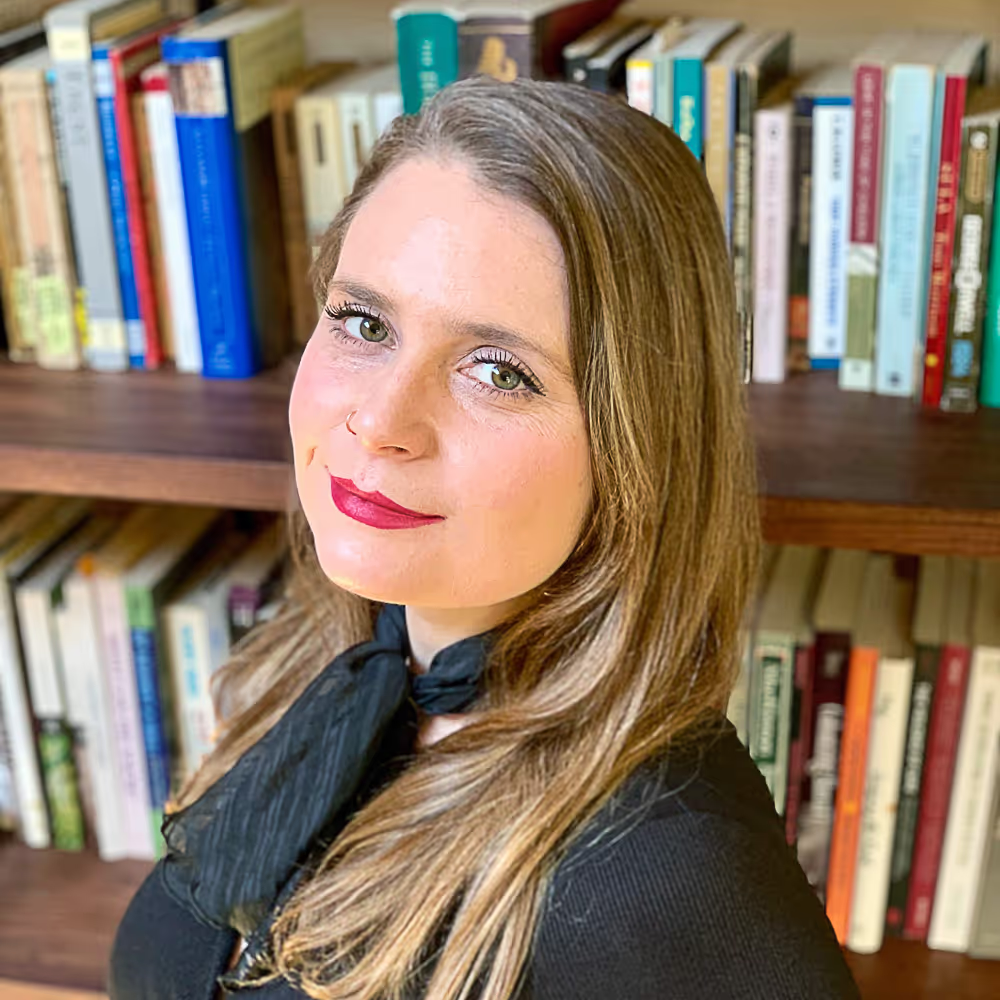
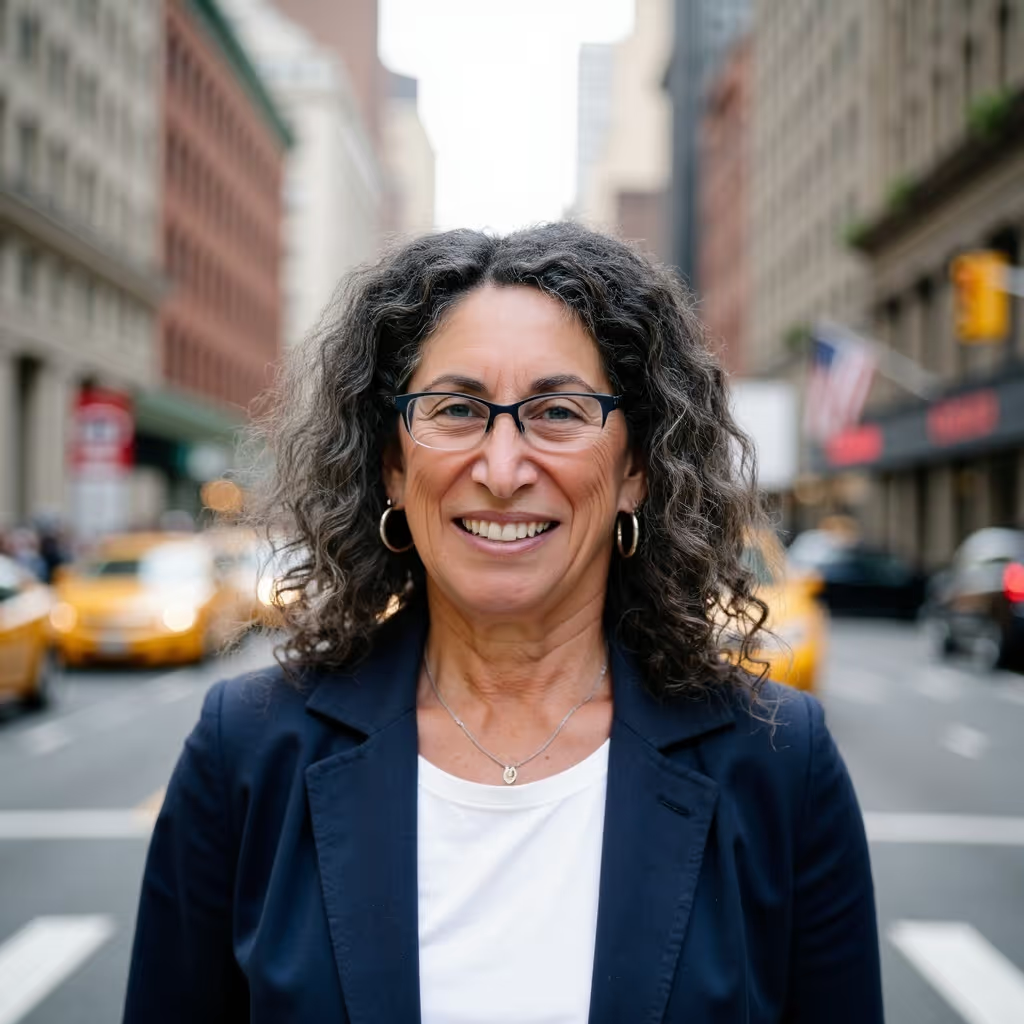
Professor Debbie Zalesne
+

NATIONAL WRITERS COHORT

Incarcerated writers often work in profound isolation. No colleagues down the hall, no writing communities to plug into, no easy way to navigate the publishing world from behind prison walls.

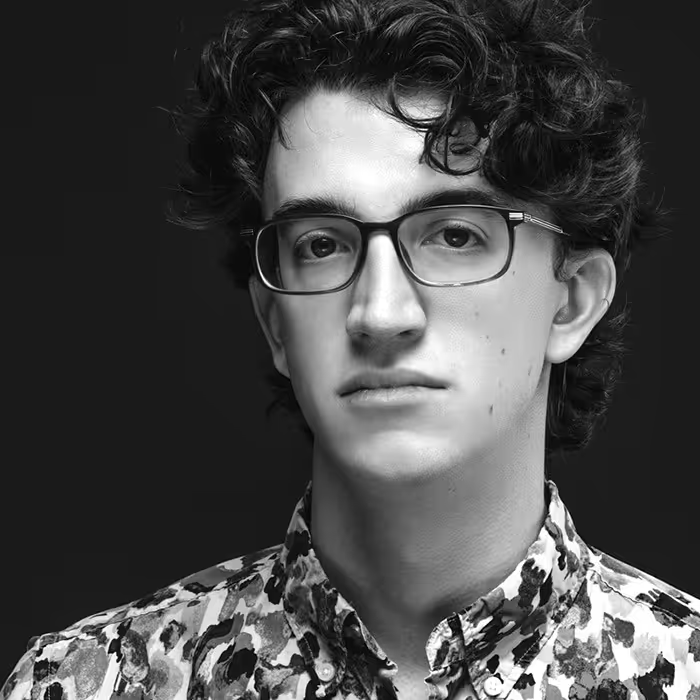
The National Writers Cohort exists to change that. Directed by journalist Ethan Corey, it is a national network for experienced incarcerated writers, offering support with pitches, submissions, research, and editor relationships.

The cohort removes the practical barriers to publishing so writers can focus on what they do best - share their environments and lived experiences in an effort to educate society.
PROGRAM director
Ethan Corey
+
Christopher Blackwell
+
Lead advisors
Kwaneta Harris
+
Professor Debbie Zalesne
+

free thinkers book
fellowship

The Free Thinkers Book Fellowship is for incarcerated writers ready to go long. A two-year fellowship directed by Pulitzer Prize-nominated novelist Vauhini Vara, it guides experienced incarcerated writers through developing, writing, and publishing a full-length nonfiction book. The traditional publishing pipeline has never been built with incarcerated writers in mind. The Free Thinkers Fellowship exists to change that.
PROGRAM director
Vauhini Vara
+

Through the wire radio show

Through the Wire is a groundbreaking radio show on KVRU 105.7FM hosted by incarcerated journalists Christopher Blackwell and Antoine Davis. Recorded from inside prison walls, the show brings candid, unfiltered voices from inside directly to listeners on the outside.

Segments include interviews with changemakers, slices of daily life from prison, listener call-ins answered by incarcerated people, and messages from incarcerated people to their loved ones. 
YOUR HOSTS
Christopher Blackwell
+
Antoine Davis
+
YOUR Producers
Colby Davis
+
Chelsea Moore
+
KJ Jones
+

BROKEN IS BEAUTIFUL PODCAST

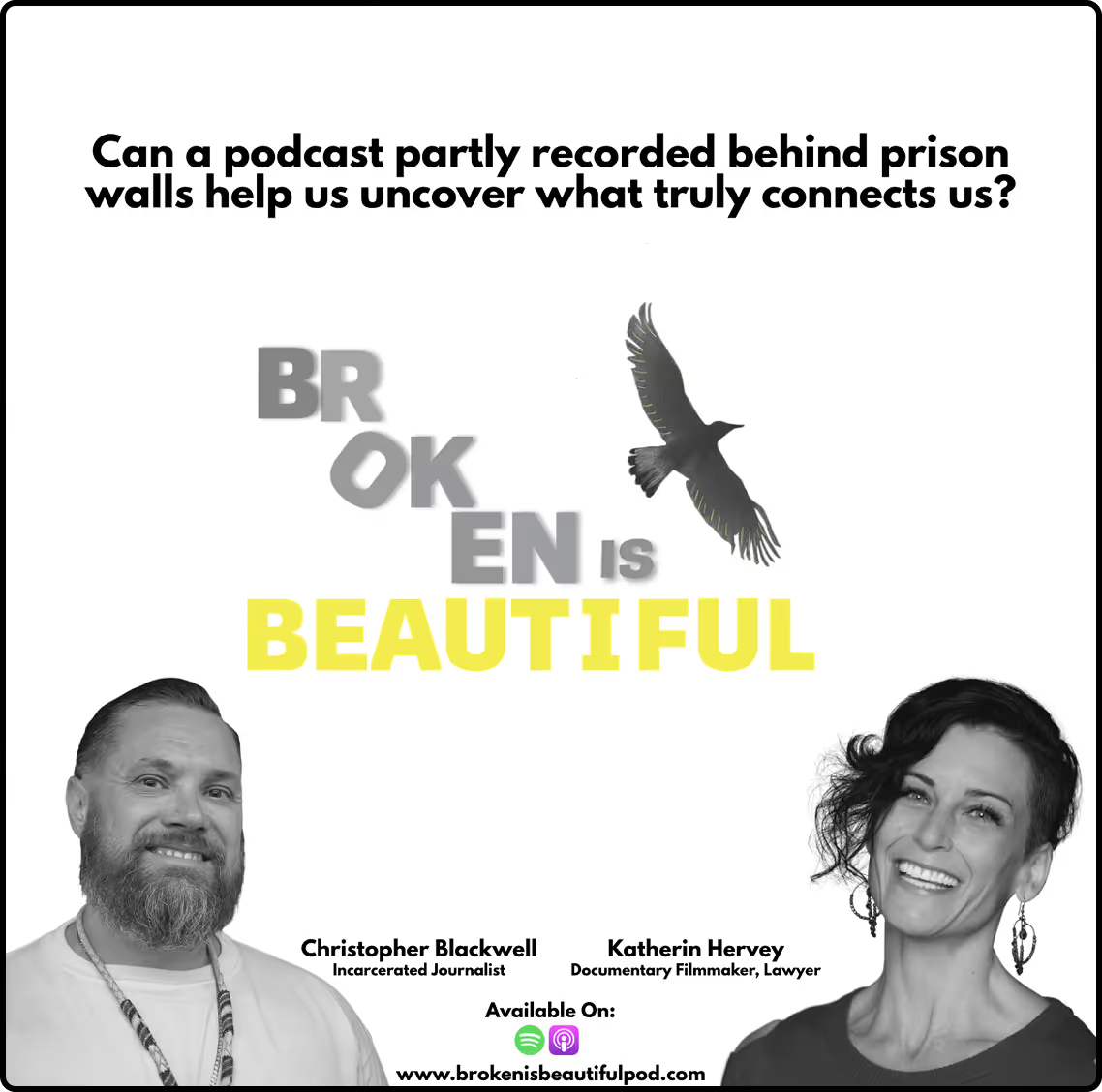
Friends Christopher Blackwell, an incarcerated journalist, and Katherin Hervey, a documentary filmmaker and lawyer, had an idea: could a podcast, partly recorded behind prison walls, help us uncover what truly connects us? 

Chris and Katherin have been friends for over ten years, and their conversations explore what it means to live a meaningful life wherever you are. Together with restorative justice advocates, survivors, and people whose stories upend what we think we know about justice and healing, they dive into the messy, beautiful complexity of being alive — discovering that our broken parts hold our greatest strengths.
YOUR HOSTS
Christopher Blackwell
+
Katherin Hervey
+

ZINES

Zines are one of the oldest forms of independent publishing and one of the few that can cross prison walls. L2J's zines are created by incarcerated writers, artists and community partners; and distributed both inside prisons and in public venues, reaching audiences who rarely encounter this work. Each zine is a document of lives lived inside: solitude, survival, identity, caregiving, resistance, and community. They are primary sources. Raw, honest, and made by the people living it.

DOCUMENTARY FILM & MEDIA

Stories about incarceration are overwhelmingly told about people, not by them. Media portrayals flatten individuals into stereotypes: criminal, victim, statistic. Look2Justice exists to change who gets to tell the story.

L2J partners with filmmakers to produce documentary work that carries incarcerated voices directly to public audiences. Not films made about incarcerated people, but films made with them, centering their expertise, their leadership, and their lives.

The Producers Lab is a launch initiative that equips incarcerated creators to produce and distribute stories across digital platforms. Over time, the cumulative effect is a measurable shift in cultural narrative: incarcerated creators move from being the subjects of stories told about them, to the authors of stories that shape how the country thinks about incarcerated people. 

OUR MOVIES

Click on a title to explore more!

ART EXHIBITIONS, SCREENINGS
& COMMUNITY EVENTS

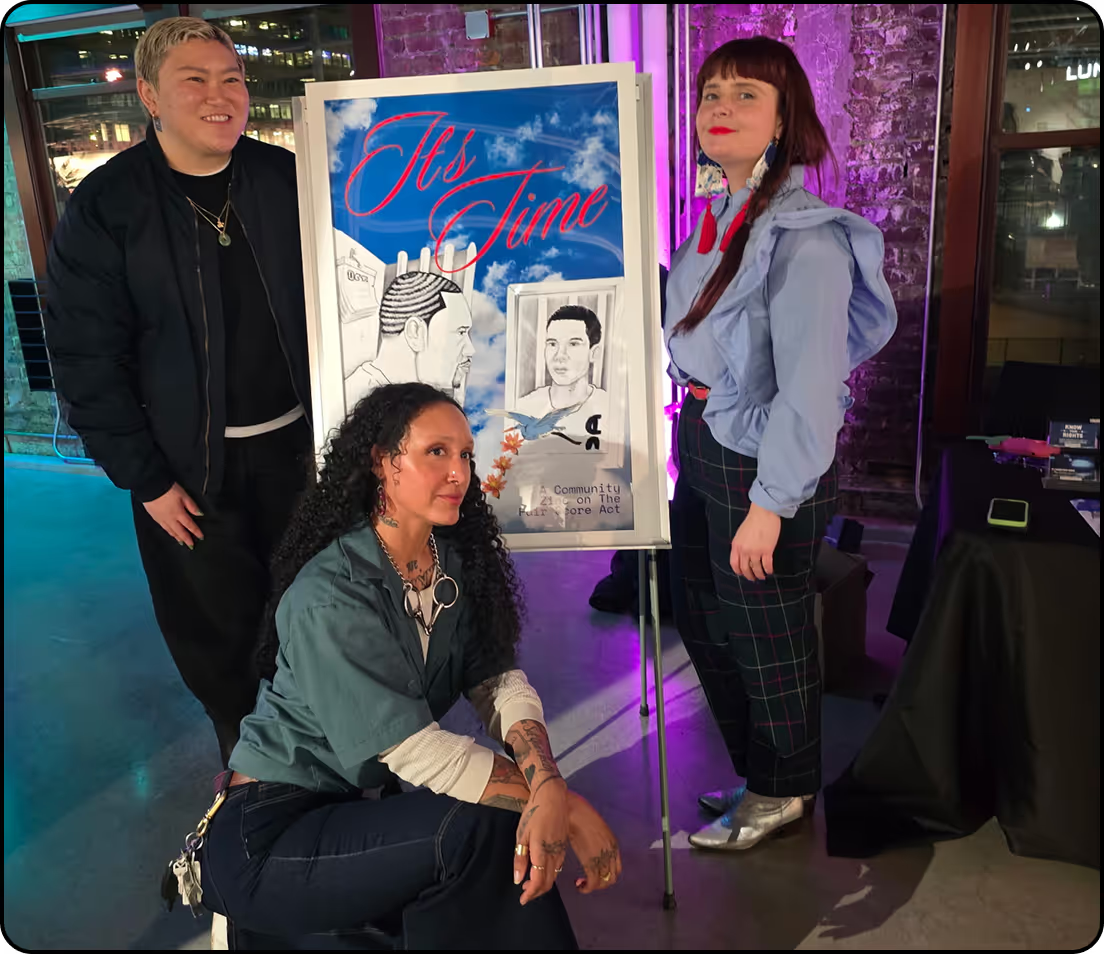
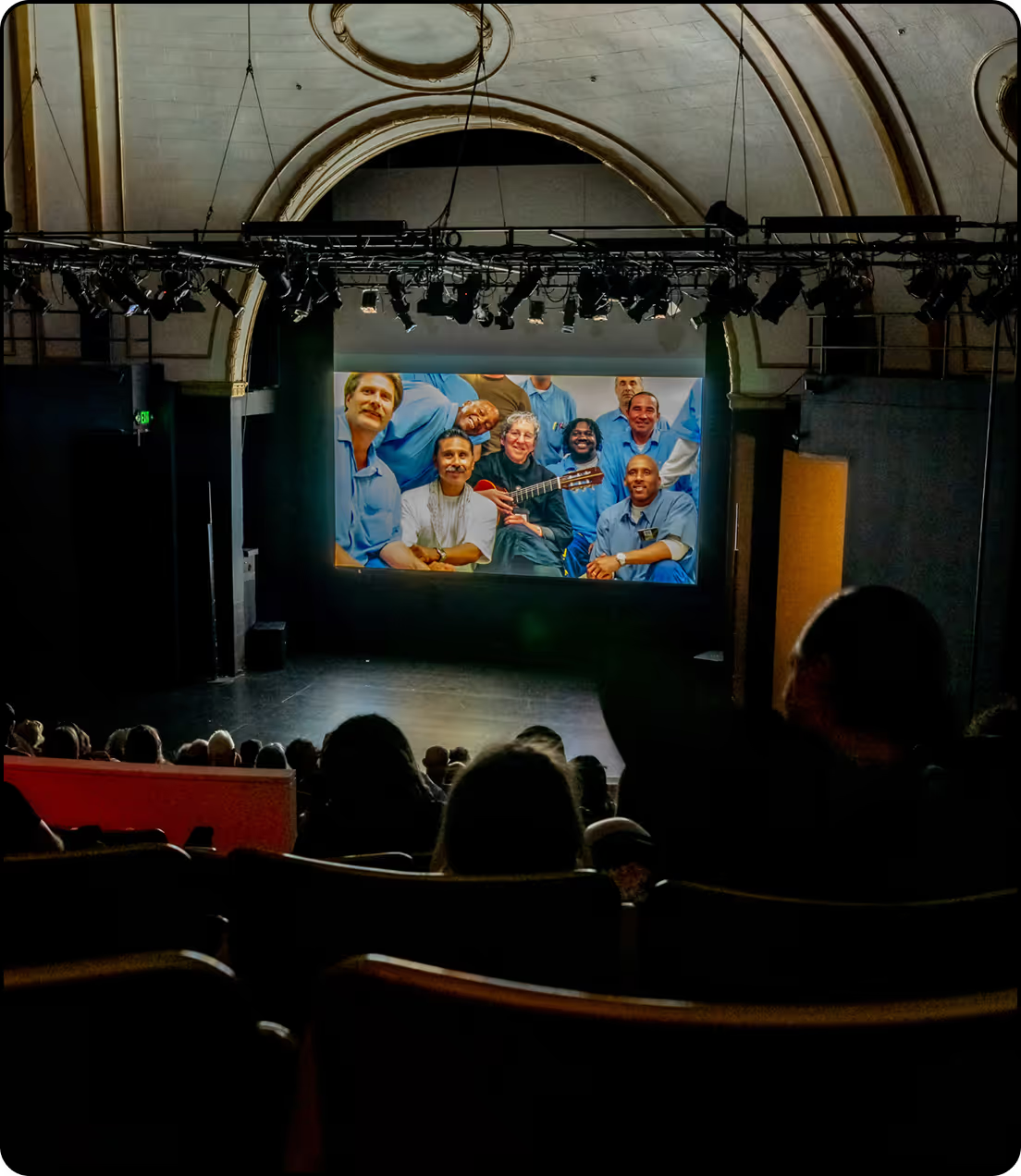
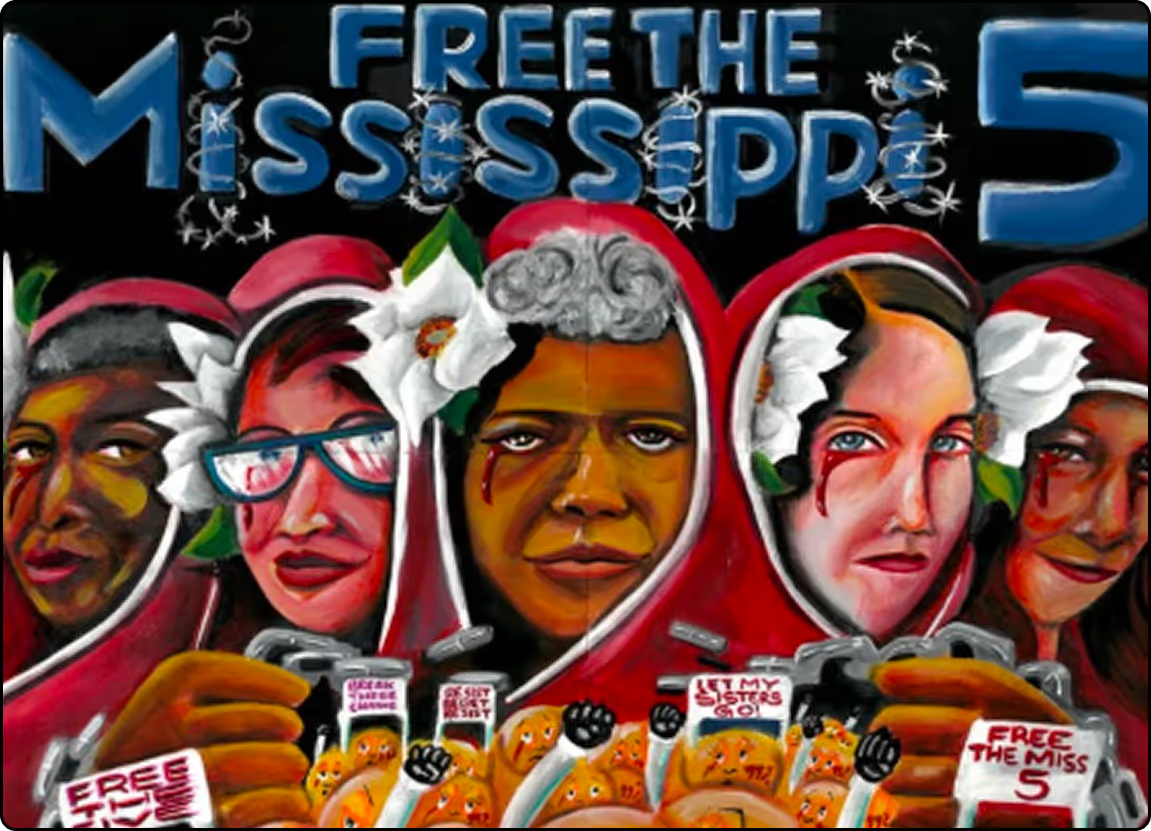
Look2Justice brings art, film, and story into public spaces where they can be seen, heard, and felt. Some of this work is created from inside prison walls. All of it is rooted in the humanity of people the system too often erases.

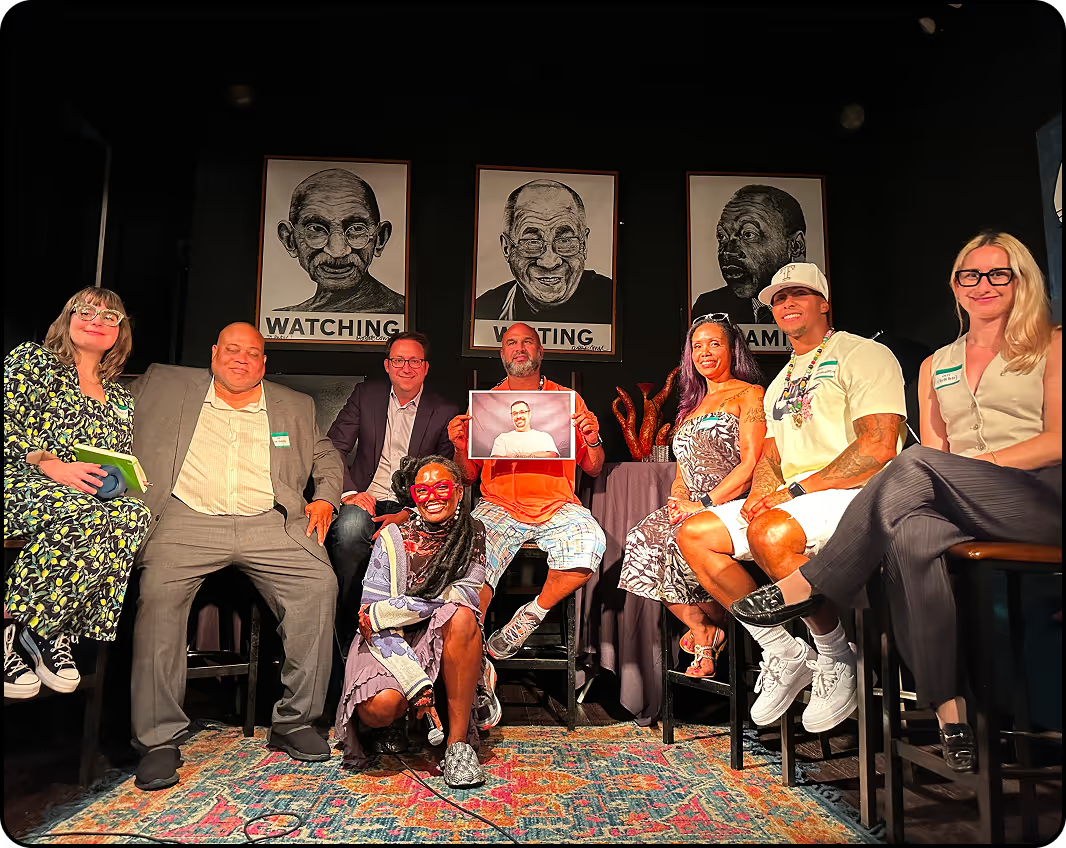
Our exhibitions and events bring this work into relational settings where audiences engage directly, from galleries to theaters, churches, community centers, college campuses, and legislative halls.

Documentary screenings are followed by panels that put incarcerated voices at the center of the conversation. Community gatherings, listening sessions, and town halls create space for system-impacted people to share their experiences and build connections across the divide.

These are not performances. They are spaces of invitation, encounter, and reflection. Audiences listen and connect. New relationships form. Cultural memory shifts.The result is a public narrative of incarceration that is honest, human, and rooted in lived experience.
X

CONTACT US

We love to hear from our community, if you want to reach out with any thoughts or comments or to see how to get involved, we’d love to hear from you.
Thank you! Your submission has been received!
Oops! Something went wrong while submitting the form.